Calgary Top Landscaper for Complete Yard Transformation
Calgary Top Landscaper for Complete Yard Transformation
Blog Article
Redesign Your Outdoor Setting With Professional Landscaping Solutions
Revamping exterior areas with professional design services can significantly improve both visual appeal and usable function. Experienced landscapers examine individual properties, adapting designs to fit particular environmental needs and terrain composition. They introduce a collection of greenery and built structures to establish pleasant exterior environments. This intentional plan increases property value and also lowers maintenance demands. Recognizing the core components of quality landscape design is important for homeowners aiming to improve their outdoor experience. What next steps should they proceed with?
The Advantages of Expert Landscaping Offerings
Professional landscape design solutions convert outdoor spaces into practical and visually attractive environments. These services offer a range of benefits that extend beyond mere appearance. One important benefit is the enhancement of property value; expertly crafted outdoor designs can significantly boost a home's market appeal. Additionally, professional landscapers possess the expertise to select suitable vegetation and resources customized for specific climates and soil types, ensuring sustainability and longevity.
Additionally, these solutions can elevate outdoor capability, developing spaces for relaxation, amusement, or recreation. By strategically arranging layouts, landscaping professionals optimize the use of space while integrating elements like pathways, patios, and gardens.
Furthermore, engaging experts can conserve homeowners hours and energy, alleviating the burden of planning and maintenance. This allows individuals to enjoy their outdoor spaces without the stress of constant upkeep. Ultimately, professional landscaping services produce environments that enhance both the beauty and usability of exterior spaces.
Necessary Elements for a Successful Landscape Design
A successful outdoor space design is characterized by several key features that add to both functionality and aesthetic beauty. First, a well-thought-out arrangement optimizes space, ensuring ease of navigation while establishing separate zones for leisure and social gatherings. Second, the incorporation of hardscaping elements, such as pathways, patios, and retaining walls, provides structure and durability to the landscape. Third, effective drainage solutions are critical to prevent water accumulation and safeguard plant health.
Additionally, the employment of focal points, like sculptures or aquatic elements, directs the eye and enhances visual charm. Lighting holds an significant role as well, brightening pathways and emphasizing key natural features, thereby extending usability into the later hours. Finally, a thoughtful plant selection, which takes into account climate transitions, enhances biodiversity and nurtures local wildlife. Together, these features create a harmonious and appealing landscape area that showcases the homeowner's individuality while fulfilling everyday requirements.
Ways to Choose the Perfect Plants for Your Yard
How can homeowners choose the right plants for their properties? First, understanding the local climate is imperative; plants should succeed in the specific temperature and rainfall conditions of the area. Next, reviewing sunlight exposure helps ascertain whether to select shade-loving or sun-loving varieties. Soil type also plays a significant role; testing soil pH and texture validates compatibility with selected plants.
Property owners should evaluate the yard's dimensions and configuration, picking plants that suit the space without overcrowding. Additionally, opting for native plants can strengthen local ecological variety while needing less maintenance.
Finally, considering personal tastes—such as hue, feel, and seasonal appeal—will help create a visually appealing landscape. A carefully planned combination of these elements ultimately results in a vibrant and harmonious outdoor space that showcases the homeowner's style while being sustainable and manageable.
Improving Capability Using Hard Landscaping
Hardscaping plays an important role in improving outdoor living spaces by supplying useful areas for leisure and social gathering. It also enables the development of walkways and outdoor platforms, directing foot traffic and creating definition to the landscape. Additionally, well-designed hardscaping can improve drainage and minimize soil degradation, supporting the overall health of the yard.
Maximizing External Living Spaces
Updating outdoor living spaces significantly strengthens their usefulness, establishing inviting areas for recreation and hosting. Effective hardscaping elements, including retaining walls, outdoor kitchens, and fire pits, can greatly enhance these spaces. Incorporating durable materials like stone, brick, or pavers helps homeowners achieve a harmonized appearance that complements nature while delivering useful functions. These features not only separate areas for social gatherings but also improve accessibility and organization within the outdoor environment. Furthermore, strategically placed seating arrangements can promote conversation and instill a cozy feeling. In conclusion, a carefully arranged outdoor living space maximizes enjoyment by merging comfort with utility, making it an fundamental element of modern home landscaping.
Creating Walkways And Patios
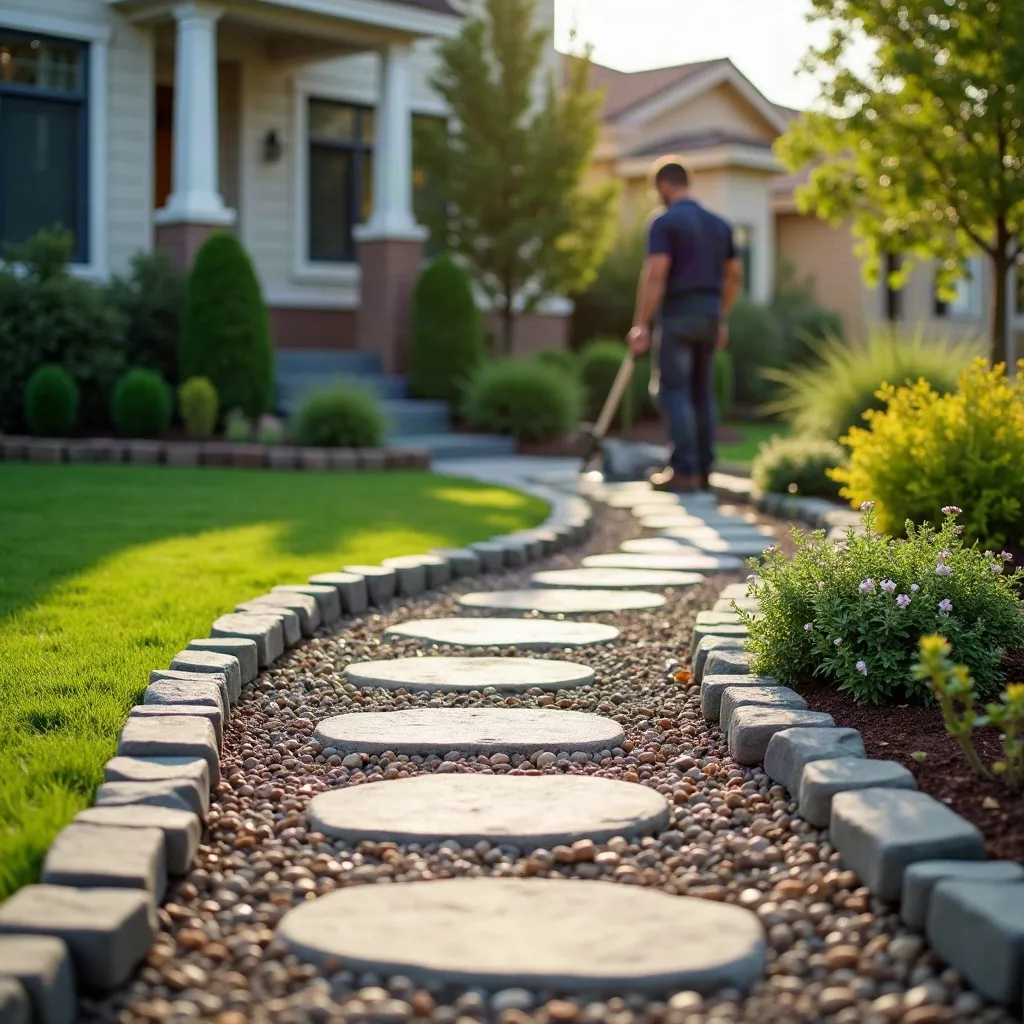
A assortment of carefully designed walkways and outdoor living areas can substantially elevate outdoor functionality and visual appeal. These landscape features function as important links between multiple sections of a property, delivering clear direction while defining spaces for leisure and entertaining. Outdoor patios make welcoming areas for exterior events, equipped to house seating and social activities. Walkways, crafted from options like stone, brick, or concrete, not only guide pedestrian flow but also contribute to the overall aesthetic style of the landscape. Adding curves and varying widths can introduce aesthetic appeal, making the yard more attractive. When expertly installed, walkways and patios blend smoothly with the natural surroundings, enhancing both usefulness and beauty in any external environment.
Optimizing Drainage And Erosion
Refining outdoor spaces exceeds mere aesthetics; it also requires dealing with practical concerns like drainage and erosion. Proper landscaping blends hardscaping elements like retaining walls, gravel pathways, and permeable pavements, which help regulate water flow and decrease soil erosion. By carefully placing these features, homeowners can redirect surplus rainwater away from sensitive areas, guarding both plants and structures.
In addition, incorporating French drains or swales can significantly improve drainage by routing water to target zones. These strategies not only avert damage but also strengthen the overall functionality and longevity of the landscape. Ultimately, experienced landscaping firms convey knowledge in implementing these structural methods, securing a balanced and resilient outdoor environment that withstands the challenges of nature.
Seasonal Maintenance Suggestions for Your Landscape
Effective routine maintenance is critical for maintaining the charm and wellbeing of any landscape. Homeowners should implement defined duties throughout the year to guarantee their exterior zones succeed. In the spring season, the focus should be on cleaning up debris, aerating the soil, and spreading nutrients to encourage growth. Warm weather care includes regular watering, mulching, and pruning to encourage strong plant life while stopping illness.
As autumn takes hold, it's necessary to collect debris, condition garden beds for winter dormancy, and cultivate perennials for future development. Winter maintenance may feature defending delicate plants using mulch or fabric, providing proper drainage, and monitoring hardscapes for cold-related damage. By embracing these seasonal care suggestions, residents can enhance their outdoor spaces' durability and visual allure, producing a flourishing outdoor landscape perpetually.
What to Inquire When Selecting a Landscaping Business?
When selecting a landscape service, what important questions should property owners consider to ensure they choose wisely? First, they should ask about the company's knowledge and experience in the specific landscaping type sought. Learning about their design philosophy and previous projects can supply valuable information.
Next, property owners should see guide ask about licensing and insurance to verify compliance with local regulations and protection against potential liabilities. A detailed estimate is essential, so asking for a cost itemization will prevent unforeseen charges.
Asking about the schedule for project completion and upkeep choices is also fundamental, as it affects lasting contentment. Additionally, property owners should explore the types of materials and plants the company employs, confirming they align with individual preferences and eco-friendly practices. Finally, checking feedback and requesting recommendations can provide peace of mind about the service's reliability and quality.
Frequently Asked Questions
What Is the Average Price of Expert Landscape Services?
Professional landscaping expenses typically vary from $50 to $150 per hour, depending on the project's complexity and location. Homeowners should consider additional expenses for supplies, design, and regular upkeep when planning finances for landscaping services.
How long does a landscape design project usually require?
A landscaping undertaking usually requires between a few days and several weeks, depending on the extent of the project, size of the area, and intricacy of the layout, with bigger undertakings needing additional time for finishing.
Can Yard Design Increase My Property Value?
Landscaping can greatly increase real estate value by elevating street presence, designing pleasant outdoor zones, and enhancing landscape beauty. Well-maintained landscaped areas and strategic design often bring in prospective purchasers, turning homes more appealing in the real estate market.
Which Authorizations Do You Need for Landscape Design Projects?
Landscaping projects often demand multiple permits, based on local requirements. Common permits include those for removing trees, structural additions, and drainage modifications. Homeowners should contact local authorities to ensure adherence with zoning laws and environmental guidelines.
How Do Weather Conditions Impact Garden Selection?
Environmental conditions significantly impact landscaping options, as rainfall, temperature, and sunlight affect plant choice, soil preparation, and maintenance methods. Customizing designs to local climate provides sustainability, growth, and overall aesthetic appeal in outdoor spaces.
Report this page