As The Sod Turns Landscape & Design Inc for Quality Landscaping Services
As The Sod Turns Landscape & Design Inc for Quality Landscaping Services
Blog Article
Redesign Your Outdoors With Professional Landscaping Solutions
Improving exterior areas via skilled landscape solutions can dramatically improve both visual charm and functional value. Seasoned landscape professionals appraise individual properties, adjusting designs to suit particular weather conditions and ground makeup. They incorporate a mix of foliage and structural components to fashion stunning exterior spaces. This carefully planned method boosts home value and cuts maintenance costs. Understanding the key components of quality landscape design is necessary for homeowners endeavoring to optimize their exterior lifestyle. What measures should they take moving forward?
The Positive Impacts of Expert Landscaping Offerings
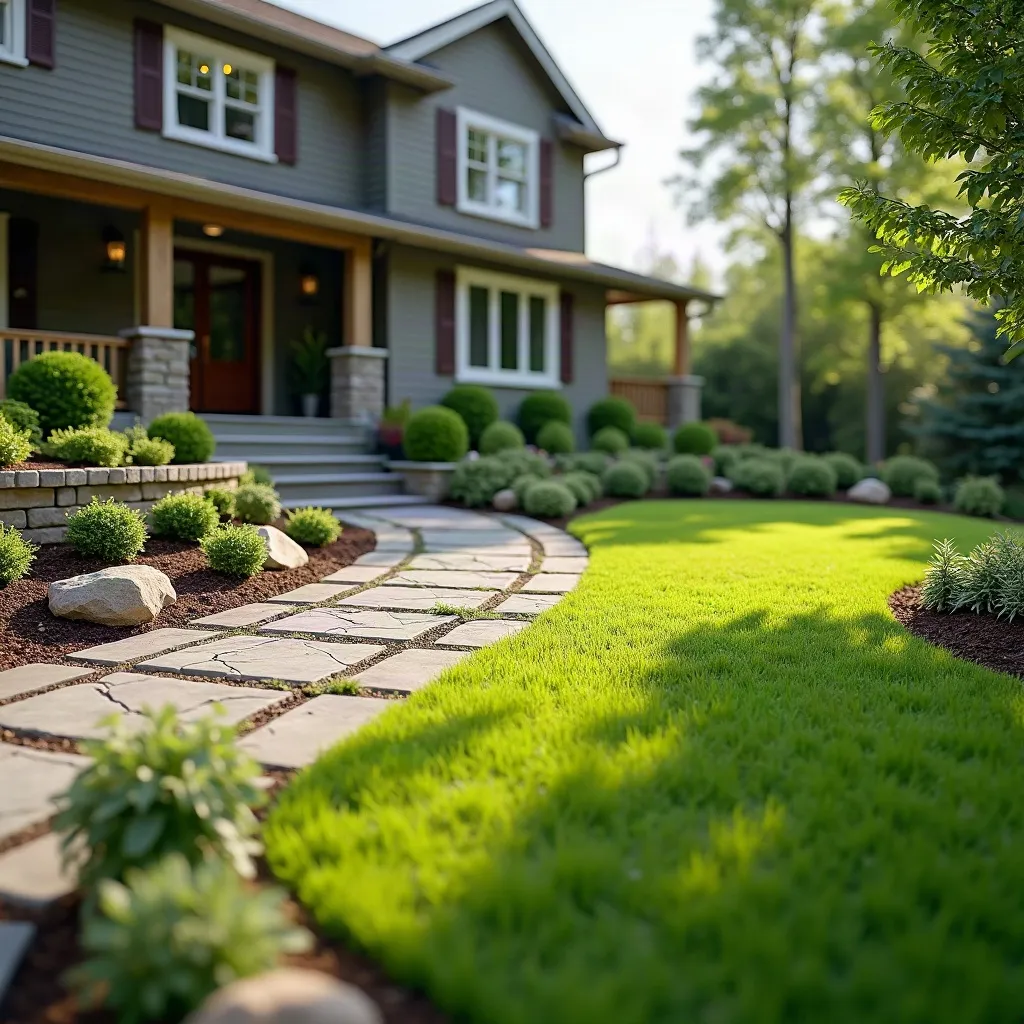
Professional landscape design solutions transform outdoor spaces into functional and aesthetically pleasing environments. These services offer a variety of advantages that go beyond mere appearance. One important benefit is the improvement of property value; well-designed landscapes can notably boost a home's market appeal. Additionally, professional landscapers have the expertise to select suitable vegetation and resources tailored to specific climates and soil types, ensuring sustainability and longevity.
In addition, these solutions can improve outdoor effectiveness, offering spaces for relaxation, social gatherings, or recreation. By intentionally structuring layouts, landscaping professionals optimize the use of space while including elements like pathways, paved areas, and cultivated spaces.
Furthermore, employing specialists can save homeowners time and effort, alleviating the weight of design and upkeep. This allows individuals to appreciate their outdoor spaces without the stress of constant upkeep. Ultimately, professional landscaping services create environments that improve both the aesthetic appeal and functionality of outdoor areas.
Essential Components for a Thriving Landscape Design
A thriving outdoor space design is defined by multiple important elements that add to both practicality and visual appeal. First, a well-thought-out arrangement maximizes space, ensuring ease of navigation while establishing separate zones for relaxation and entertainment. Second, the incorporation of hardscape features, such as walkways, patios, and retaining walls, provides structure and longevity to the design. Third, effective drainage solutions are essential to avoid water accumulation and protect plant health.
Additionally, the integration of visual anchors, like art pieces or water features, draws the eye and enhances aesthetic interest. Light fixtures takes an important role as well, illuminating pathways and spotlighting key landscape learn the facts elements, thereby extending accessibility into the dusk hours. Finally, a balanced plant selection, which recognizes seasonal transitions, enhances biodiversity and supports native species. Together, these features create a cohesive and inviting outdoor space that demonstrates the homeowner's personality while serving functional purposes.
Tips for Selecting the Best Foliage for Your Yard
How can homeowners pick the optimal plants for their yards? First, comprehending the local climate is essential; plants should thrive in the distinct temperature and rainfall conditions of the area. Next, analyzing sunlight exposure helps determine whether to decide on shade-loving or sun-loving varieties. Soil type also plays a critical role; testing soil pH and texture guarantees compatibility with selected plants.
Property owners should evaluate the yard's size and layout, opting for plants that work alongside the space without overcrowding. Additionally, choosing native plants can enhance local natural diversity while needing less care and upkeep.
Finally, considering personal tastes—such as color, feel, and seasonal appeal—will help design a aesthetically pleasing landscape. A carefully planned combination of these factors ultimately results in a lively and balanced outdoor environment that reflects the homeowner's style while being sustainable and manageable.
Improving Capability Using Hard Landscaping
Hardscaping serves as a key feature in improving outdoor living spaces by creating practical zones for relaxation and entertainment. It also facilitates the development of walkways and outdoor platforms, guiding movement and creating definition to the landscape. Additionally, well-designed hardscaping can improve drainage and minimize soil degradation, supporting the overall well-being of the yard.
Maximizing Outdoor Living Areas
Changing exterior living areas significantly enhances their functionality, designing appealing areas for unwinding and gatherings. Well-planned hardscaping features, such as retaining walls, outdoor kitchens, and fire pits, can greatly elevate these spaces. Using durable materials like stone, brick, or pavers allows homeowners to achieve a balanced aesthetic that complements nature while offering practical benefits. These features not only define areas for social gatherings but also enhance accessibility and organization within the outdoor environment. Furthermore, strategically placed seating arrangements can encourage conversation and foster a sense of intimacy. In the end, a well-designed outdoor living space maximizes enjoyment by blending comfort with utility, making it a crucial part of modern home landscaping.
Constructing Passages And Patios
A collection of expertly crafted pathways and patios can significantly enhance external practicality and visual appeal. These hardscaping elements function as essential connectors between various sections of a property, providing distinct direction while establishing spaces for relaxation and social activities. Patios create welcoming spaces for external events, equipped to accommodate furniture and entertaining. Walkways, made from substances like stone, brick, or concrete, not only guide foot traffic but also add to the overall aesthetic style of the landscape. Incorporating bends and different dimensions can add aesthetic appeal, making the yard more appealing. When professionally installed, pathways and patios seamlessly integrate with the natural environment, enhancing both functionality and beauty in any outdoor setting.
Optimizing Drainage And Surface Wear
Upgrading outdoor environments surpasses aesthetics; it also entails solving practical matters like drainage and erosion. Successful landscaping melds hardscaping elements, such as retaining walls, gravel pathways, and permeable pavements, which assist in controlling water flow and limiting soil erosion. By thoughtfully positioning these features, homeowners can channel excessive rainwater away from delicate areas, preserving both plants and structures.
In addition, integrating French drains or swales can markedly enhance drainage by directing water to target zones. These solutions not only prevent deterioration but also enhance the overall effectiveness and longevity of the landscape. Ultimately, professional landscaping services convey knowledge in implementing these hardscaping techniques, ensuring a resilient and balanced outdoor environment that withstands the challenges of nature.
Seasonal Upkeep Pointers for Your Grounds
Effective periodic maintenance is important for maintaining the beauty and health of any landscape. Homeowners should perform specific tasks throughout the calendar to assure their outdoor spaces prosper. In spring, the priority should be on cleaning up debris, aerating the soil, and introducing plant food to encourage growth. Seasonal upkeep includes frequent irrigation, adding ground cover, and cutting back to promote healthy plant development while preventing disease.
When autumn begins, it's important to remove fallen leaves, prepare garden beds for cold weather, and sow perennials for the next year. Winter maintenance might require shielding delicate plants using mulch or fabric, ensuring proper drainage, and checking hardscapes for freezing damage. By implementing these seasonal care practices, individuals can boost their outdoor spaces' longevity and beauty, forming a dynamic outdoor setting throughout the year.
Important Queries to Pose When Hiring a Landscaping Service?
When selecting a landscape company, what key inquiries should property owners evaluate to ensure they choose thoughtfully? To start, they should inquire regarding the firm's experience and knowledge in the particular landscaping style desired. Understanding their approach to design and previous projects can provide valuable information.
Initially, property owners should ask about insurance and licensing credentials to verify compliance with local regulations and protection against possible risks. A detailed estimate is crucial, so requesting a detailed cost breakdown will help avoid surprise costs.
Asking about the schedule for finishing the project and maintenance options is also essential, as it affects long-term satisfaction. Additionally, property owners should explore the kinds of materials and vegetation the company uses, confirming they align with individual preferences and eco-friendly practices. Finally, checking feedback and asking for references can provide peace of mind about the service's reliability and quality.
Commonly Asked Questions About Our Products
What Is the Typical Cost of Expert Landscaping?
Landscaping work usually costs $50 to $150 per hour, subject to variations in the scope and complexity of the project and location. Homeowners ought to consider supplementary expenses for supplies, design consultation, and maintenance work when planning your budget for landscaping services.
How long should you expect a landscaping project to take?
Landscaping work may require anywhere from several days to a few weeks, dictated by the project scope, space size, and design complexity, with more extensive projects demanding more time for fulfillment.
Does Landscaping Improve My Property Value?
Landscaping can significantly enhance property value by upgrading street presence, designing welcoming exterior areas, and refining landscape beauty. Well-maintained planted spaces and thoughtful planning often appeal to prospective purchasers, creating properties highly sought after in the real estate market.
Which Authorizations Do You Require for Landscape Design Undertakings?
Landscaping initiatives often necessitate several permits, subject to local rules. Common permits cover those for removing trees, adding structures, and altering drainage. Homeowners should reach out to local authorities to ensure adherence with zoning laws and environmental guidelines.
In What Fashion Do Atmospheric Conditions Dictate Plant and Garden Options?
Climatic conditions play a major role in landscaping choices, as rainfall, temperature, and sunlight influence plant selection, soil preparation, and maintenance methods. Customizing designs to local climate guarantees sustainability, growth, and overall aesthetic appeal in outdoor spaces.
Report this page